

Pet Tracking Guide
A calmer way to think about pet tracking.
Tracking technology is most useful when it fits naturally into the way you and your pet already move through the day. This guide helps you compare tracking approaches, think through fit and placement, and build a simple routine around connected location awareness.

The right tracker begins with the right question.
Instead of starting with the longest feature list, begin with the situations in which you actually want more awareness. A pet who stays close to home may call for a different approach than a dog who regularly joins longer walks, outdoor trips, or changing environments.
Device behavior can vary by model, surroundings, connectivity, setup, and service availability. Treat tracking as one layer of a broader everyday routine rather than a replacement for identification, attentive handling, secure boundaries, or product-specific instructions.
Choose by how you expect to use it.
Product names can sound similar while serving different routines. Think about range, everyday convenience, attachment style, connectivity requirements, and how often you want to check location information.
GPS Pet Trackers
A location-focused option for owners who want a connected way to check a pet's whereabouts across broader everyday environments, depending on the device and available service.
- Consider where you normally walk or travel.
- Review the device's stated connectivity requirements.
- Check the manufacturer's charging and setup guidance.
Bluetooth Pet Trackers
A simpler nearby-finding approach that may suit close-range routines, familiar spaces, or owners who want a compact tag-style device rather than a more involved tracking setup.
- Think about the distance and spaces you care about most.
- Confirm how the chosen device communicates with your phone.
- Keep expectations aligned with the product's stated design.
Smart Pet Collars
An integrated approach for owners who prefer connected technology built into, or designed closely around, the pet's collar instead of using a separate loose accessory.
- Prioritize comfortable everyday fit.
- Consider collar size, weight, and attachment placement.
- Review the specific functions offered by each model.
Your routine matters more than the label.
Before choosing a tracker, map the moments when location awareness would genuinely help. A clear use case makes it easier to ignore features you do not need and focus on a setup you are more likely to use consistently.
Neighborhood routines
Think about familiar walks, local parks, yards, and the spaces your pet visits most often.
Home and close-range awareness
A compact nearby-finding setup may be enough when your main concern centers on familiar environments.
Travel and changing environments
Consider how the device is designed to operate when your routine moves beyond the places your pet knows best.
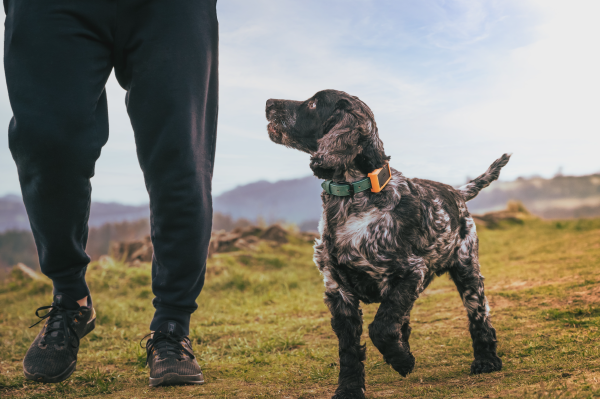
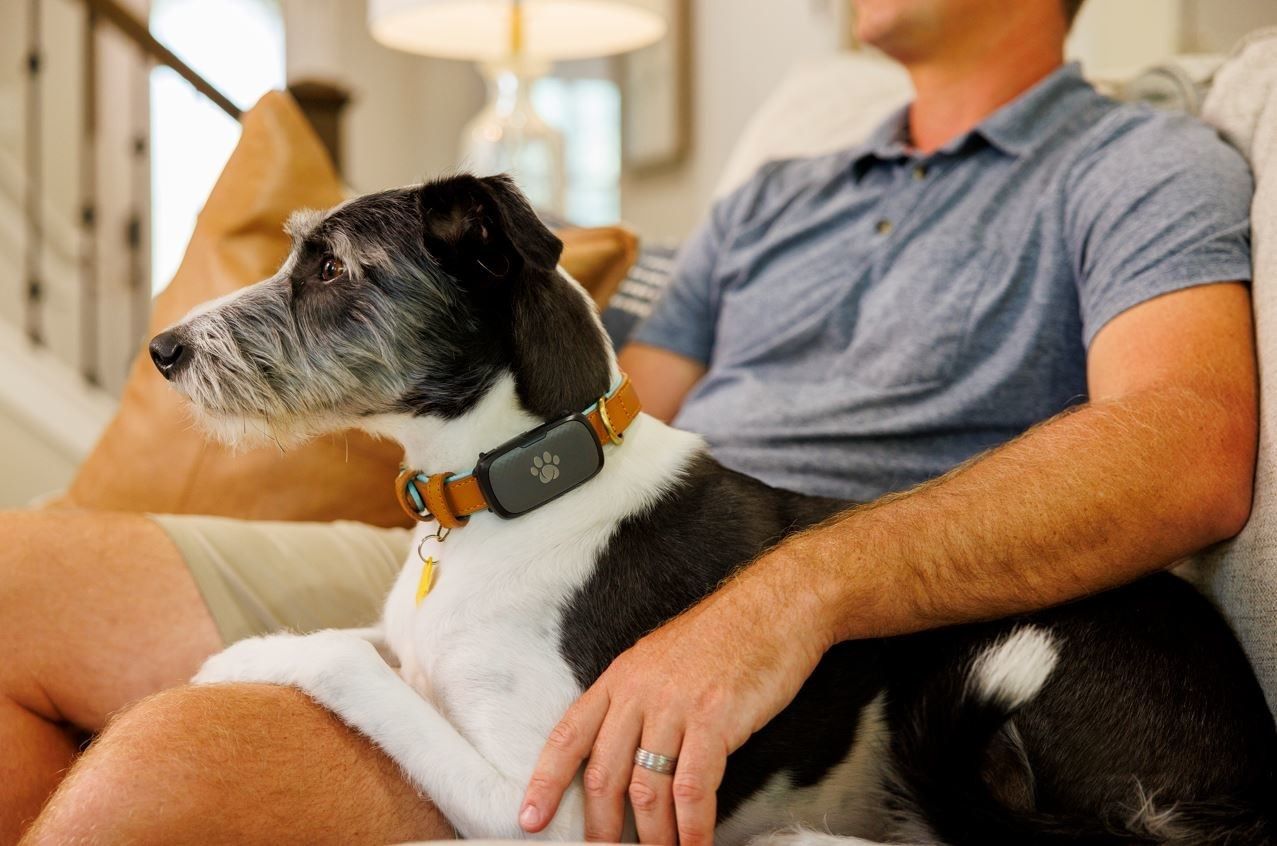
A tracker should fit the pet, not just the specification list.
Wearability is part of the experience. Device size, attachment position, collar construction, and your pet's normal movement all deserve attention before a tracker becomes part of daily wear.
-
Follow the product's fit instructions. Use the manufacturer's guidance for collar sizing, attachment, placement, and intended use.
-
Watch how the device sits during movement. Check that the attachment is positioned as intended and does not repeatedly twist or shift during normal activity.
-
Recheck fit as routines change. Collars and attachments can sit differently after grooming, equipment changes, or normal adjustments over time.
-
Keep identification part of the plan. A connected tracker can complement, rather than replace, the identification approach you already use for your pet.
Four small checks make tracking easier to live with.
The best routine is one you can repeat without thinking much about it. Keep setup simple, learn how your own device behaves, and make a quick check part of getting ready.
Check the attachment
Make sure the tracker and collar are positioned according to the product's instructions before leaving home.
Check the device
Review the status indicators, charging state, or other readiness information provided by your specific device.
Check the connection
Open the relevant app or interface when applicable so you understand what normal operation looks like before you need it.
Keep the basics with you
Continue using attentive handling, identification, suitable restraints, and other everyday practices appropriate to the outing.
Know what the device is there to do.
Tracking products are useful tools, but the exact experience depends on the device you choose. Read the product information carefully and avoid assuming that every tracker works in the same way.
What tracking can support
Depending on the model, a connected tracking device may give you another way to check or interpret your pet's location in supported environments.
- Adding location awareness to everyday routines.
- Helping you check a connected device when your pet is out of sight.
- Supporting a more organized approach to walks, travel, and outdoor time.
- Giving you one more connected tool alongside identification and physical safety equipment.
What to verify before buying
Do not assume that terms such as GPS, Bluetooth, smart collar, or location tracking mean identical performance across products.
- Supported location technology and connection method.
- Any app, phone, network, or service requirements.
- Fit, size, attachment style, and intended pet type.
- Charging, maintenance, environmental, and usage instructions.
Base decisions on the specifications and instructions provided for the individual product you are considering. Environment, connectivity, device configuration, and other conditions may affect how location features behave.
A few useful questions before you choose.
Use these as a starting point when comparing GPS Pet Trackers, Bluetooth Pet Trackers, Smart Pet Collars, and Tracker Holders & Accessories.
Is a GPS pet tracker the same as a Bluetooth pet tracker?
No. They can use different location and connection approaches. The practical range, setup, connectivity requirements, and way location information is presented depend on the individual product. Review the specifications of the exact device rather than relying only on the category name.
Should I choose a separate tracker or a smart collar?
It depends on how you prefer your pet to wear the device. A separate tracker can offer flexibility when used with a compatible holder or collar, while a smart collar may offer a more integrated form. Compare fit, weight, attachment, intended use, and the specific functions of each option.
Can I use a tracker instead of an identification tag?
A connected tracker and an identification tag serve different purposes. Consider keeping appropriate identification as part of your pet's normal routine even when using connected location technology.
What should I check before using a tracker outdoors?
Review the manufacturer's instructions, attachment and fit, device readiness, connection requirements, and any environmental limitations stated for the product. It is also useful to learn how the device normally behaves before relying on its information during a more demanding outing.
Does every tracker work everywhere?
Do not assume so. Location technology can depend on the product, surrounding environment, connectivity, service availability, phone compatibility, configuration, and other conditions. Always check the requirements and limitations stated for the specific device.
How do I decide which PawNexa tracking product to explore?
Start with your most common scenario: nearby awareness, broader connected location checking, integrated collar wear, or an accessory for mounting a tracker you already use. Then compare the individual product information against your pet's size, routine, environment, and preferred setup.
Build a tracking routine that feels simple enough to keep.
Explore PawNexa pet technology with your pet's normal movement, environment, and everyday comfort in mind. Need help narrowing the options? Our contact page is the right place to start.