

Travel With Pets
Travel well, together.
A smoother trip starts before the door closes. Plan how your pet will ride, how you will keep identification and location tools close at hand, and what changes when daylight fades or the journey moves near water.

Make the important details easy to check.
Travel can change the environment around your pet quickly: a vehicle door opens, an unfamiliar stop appears, a walk continues after sunset, or a calm shoreline becomes part of the day. A simple pre-trip routine helps keep the right equipment ready for those transitions.
Choose products according to the individual device instructions, your pet's fit and routine, and the conditions of the trip. Avoid assuming that one restraint, tracker, light, or flotation product suits every pet or every environment.
Check identification before departure.
Make sure the identification you intend to use is present, readable, and attached as intended before the trip begins.
Prepare location tools before you need them.
Set up compatible tracking equipment in advance and follow its own instructions for charging, connection, placement, and use.
Set the restraint before the vehicle moves.
Fit and attach the travel restraint according to the product and vehicle instructions rather than improvising once the journey is underway.
Think past the daylight hours.
If part of the trip may happen in low light, prepare the visibility equipment you plan to use before sunset arrives.
Make restraint part of the routine, not an afterthought.
Pet car seat belts and restraint systems vary in design and compatibility. The useful habit is simple: understand the product before the trip, fit it as directed, and create a consistent place for your pet to ride.
Use the restraint only in the way described for that specific product and vehicle setup.
Allow time to make adjustments while the vehicle is still parked and the environment is calm.
When doors open, equipment is removed, or the pet moves in and out of the vehicle, confirm the setup again before continuing.
A consistent storage spot makes ID, restraint, visibility, and outdoor equipment easier to find when plans change.
Keep awareness close when the surroundings change.
Unfamiliar locations make simple tools more useful. Location awareness, visible identification, and low-light visibility each solve a different part of the travel routine.

Location awareness
Prepare a compatible GPS or Bluetooth tracking device before leaving home and understand how its individual connection and tracking functions operate.
Visible identification
A physical ID tag can provide another straightforward layer of identification when your pet is away from its normal surroundings.
Low-light visibility
LED collars and visibility lights can make your pet easier to notice during evening routines when used according to the product instructions.
Change the setup when the environment changes.
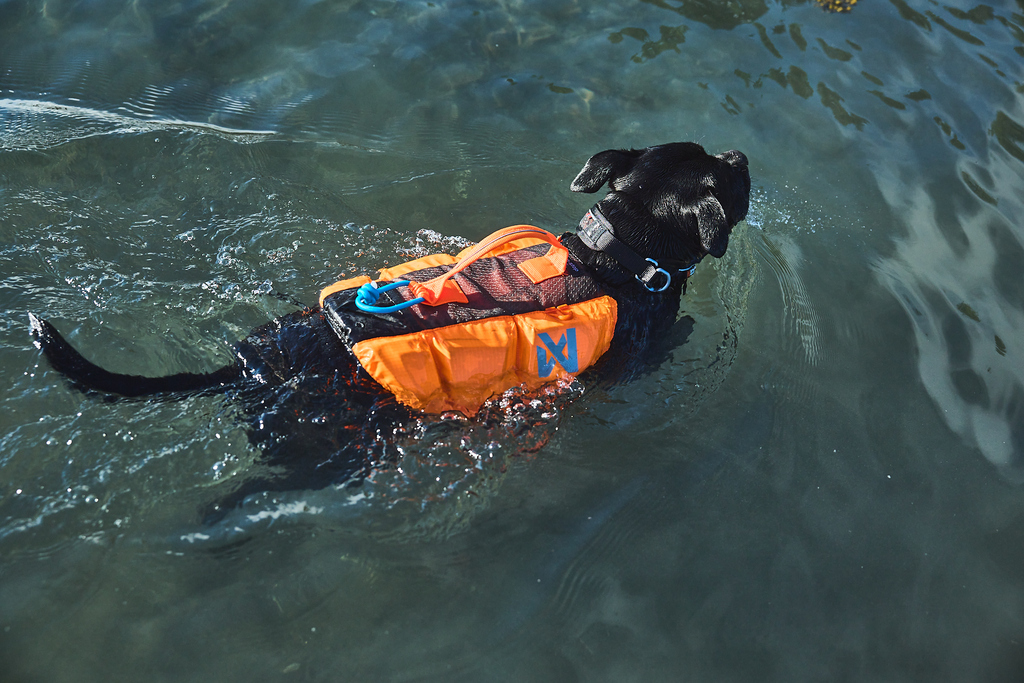
A lakeside stop, dock, boat, pool area, or shoreline introduces a different set of considerations from a normal walk. If you plan to use a pet life jacket or other water-safety equipment, choose it for the individual pet and follow the product's fit and use instructions.
Make adjustments in a calm, dry environment rather than waiting until activity begins.
Follow the manufacturer's guidance for rinsing, drying, storage, and checking the product condition.
Think about how your normal ID and tracking routine fits the conditions of the activity.
Five roles worth thinking through.
You may not need every category on every journey. Choose around the conditions you actually expect and the products that are appropriate for your pet.
Car restraints
For organizing how your pet rides during vehicle travel.
Travel & Outdoor SafetyPet trackers
For adding location awareness to travel and outdoor routines.
Tracking & LocationVisibility lights
For making evening and low-light routines easier to manage visually.
VisibilityID accessories
For keeping straightforward identification attached during everyday travel.
IdentificationWater-safety gear
For trips that bring your pet close to pools, shorelines, boats, or open water.
Water SafetyReset the routine when you arrive.
Travel gear works inside a changing environment. A quick reset after each transition helps you notice what moved, what was removed, and what needs to be prepared again.
Pause before opening the environment.
Before doors, gates, or unfamiliar spaces become accessible, know what restraint, collar, tracker, and ID setup your pet is currently wearing.
Recheck attachment points.
Travel equipment can be removed or adjusted at stops. Confirm each product is attached and fitted as intended before the next activity.
Adapt to the next conditions.
Daylight, weather, water access, vehicle travel, and unfamiliar surroundings may change which equipment you want ready.
Reset before moving on.
Put equipment back in its normal place, follow care instructions when needed, and prepare the next stage of the trip while things are still calm.
Useful questions before the next trip.
Compatibility, fit, charging, connectivity, attachment, maintenance, and intended use can vary significantly between individual pet products.
Can every pet car restraint be used with every vehicle?
Compatibility should not be assumed. Review the individual restraint instructions as well as any relevant vehicle attachment requirements before use.
Is a GPS tracker the same as an ID tag?
They serve different roles. A tracker is a connected location-awareness device, while an ID tag provides visible identifying information. Depending on your routine, you may choose to use both.
When should I prepare visibility lights?
If your plans could extend into early morning, evening, or another low-light environment, prepare and check the visibility product before it becomes difficult to see.
Does every dog need the same type of life jacket?
No. Product fit, intended use, design, and sizing vary. Use the manufacturer's instructions and sizing information for the individual product and pet.
Should travel equipment be tested before a longer trip?
Familiarizing yourself with the equipment before departure can make setup easier. Follow product instructions and observe how the equipment fits into your pet's normal routine before depending on it away from home.
What if I am unsure which travel product fits my needs?
Start with the situation you want to support: vehicle restraint, location awareness, identification, low-light visibility, or water activity. Browse PawNexa collections or contact the PawNexa team for general product assistance.
Build a travel routine around the moments that change.
Explore pet car restraints, trackers, visibility equipment, life jackets, safety tags, and connected accessories for more considered everyday travel with your pet.
This guide provides general product-use considerations and is not veterinary, medical, legal, or transportation advice. Always follow the instructions for each individual product and consider the requirements of your specific destination, vehicle, activity, and pet.