

Smart Feeding Guide
A calmer rhythm for everyday feeding.
Smart feeding is less about adding more technology and more about creating a routine that feels clear, consistent, and easy to maintain. Use this guide to think through automatic meals, fresh hydration, thoughtful treats, and the accessories that support them.
Device settings and feeding choices should follow the instructions for your specific product, food, and pet rather than a generic schedule.
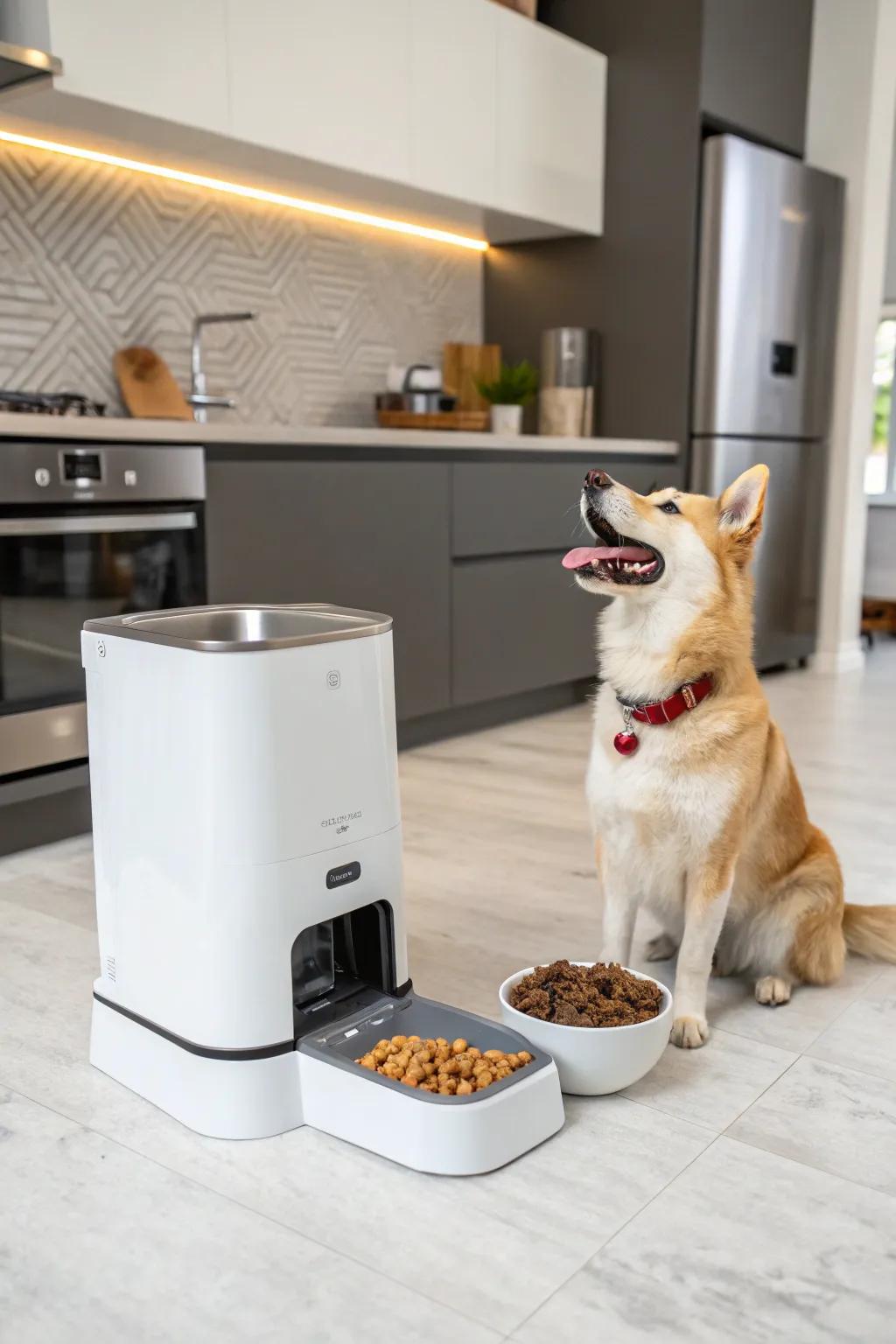
Think in routines, not gadgets.
A smart feeding setup works best when every piece has a clear role. An automatic feeder can organize meal timing. A water fountain can create a dedicated hydration point. A treat dispenser can make occasional rewards more intentional. Accessories can help keep the setup tidy and practical.
The goal is not to automate every interaction. It is to make the repeatable parts of daily care easier to understand and manage while keeping you connected to your pet's real habits.
Keep meal timing understandable.
Choose a routine you can maintain consistently, then use your feeder's own controls and instructions to support that pattern.
Know what one serving means.
Measure actual output when setting up a feeder instead of assuming that a device's unit or serving label matches every type of food.
Make water easy to notice.
Place hydration where it is accessible, stable, and practical to refill and clean as directed by the fountain or bowl manufacturer.
Keep treats separate from meals.
Use treat dispensing as its own deliberate part of the routine so rewards do not quietly become an untracked extension of regular feeding.

Choose around your actual feeding pattern.
Start with the type of food you use, where the device will live, and how you want meals to fit into the day. Product-specific features vary, so prioritize practical compatibility over a long feature list.
Use only food formats and sizes that the specific feeder documentation says are suitable.
Test the output before relying on scheduled operation and recheck it when food type changes.
Leave enough room for your pet to approach naturally without squeezing the feeder into a crowded corner.
Follow the manufacturer's cleaning, refilling, power, storage, and setup directions for your specific device.
Three steps before automation becomes routine.
Give yourself a short observation period. A smart device should fit naturally into everyday pet care rather than becoming something you set once and stop noticing.
Place it where feeding already makes sense.
Choose a stable area with comfortable access, reasonable clearance, and a surface that is practical to keep tidy.
Placement before programmingRead the device instructions before scheduling.
Confirm supported food, setup steps, cleaning guidance, power requirements, and the meaning of each feeding control.
Product instructions firstTest while you are still nearby.
Run several normal cycles, observe how your pet approaches the device, and verify that the routine behaves as expected.
Observe before depending on itGive water its own clear place in the routine.
A pet water fountain is most useful when it is easy for your pet to reach and easy for you to inspect, refill, and maintain. Treat it as a daily-care station rather than a set-and-forget appliance.
Keep the approach open and the unit positioned securely.
Build a quick visual check into your regular pet-care routine.
Follow the fountain manufacturer's instructions for cleaning and component care.
Notice whether the location and flow style feel natural for your pet to use.

A simple rhythm is easier to live with.
There is no single schedule that fits every pet. This framework is about the order of attention: check, feed, refresh, observe, and reset the environment for the next part of the day.
Check the feeding station.
Confirm the feeder, bowl area, food level, and hydration station look ready for normal use.
Let scheduled feeding support the pattern.
Use the settings appropriate to your feeder and continue observing how the routine works in real life.
Keep hydration visible and accessible.
Include simple visual checks and refill or clean the fountain according to its instructions.
Use treats deliberately.
Keep treat dispensing distinct from regular meals so it remains an intentional part of your routine.
Tidy, inspect, and prepare for the next cycle.
Small maintenance habits make connected feeding easier to understand over time.
Match the device to the job.
Start by deciding what part of the routine needs support. Then compare individual product instructions and features instead of assuming every smart feeding device works the same way.
Automatic feeding & hydration
Best considered when you want a clearer structure around repeatable meals, a dedicated water station, and the everyday upkeep that surrounds both.
Treat dispensers & feeding accessories
Useful when the goal is to add occasional rewards, improve organization around the feeding area, or support a device with practical everyday accessories.
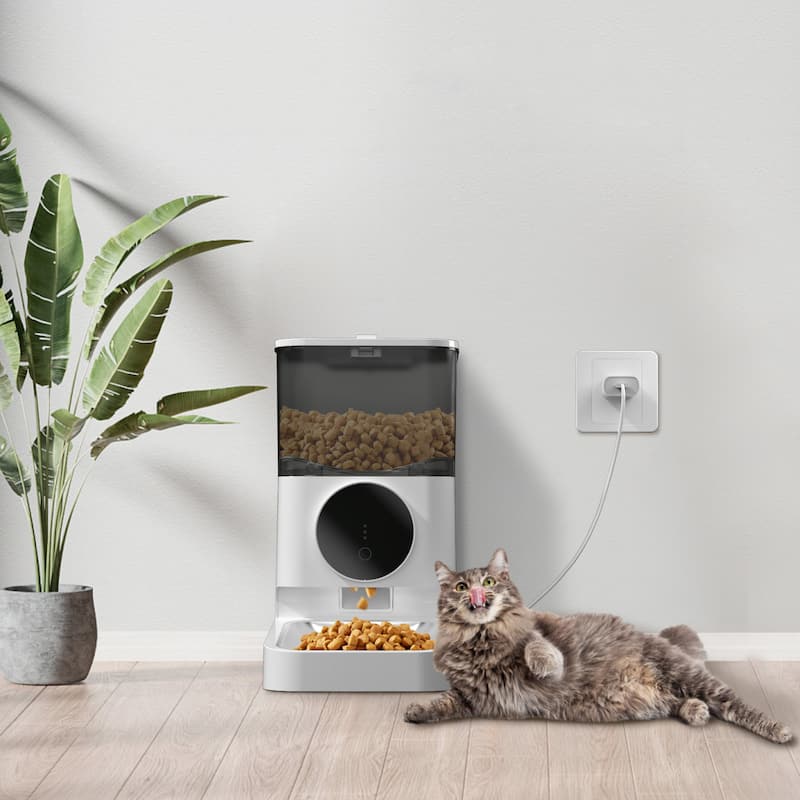
Automation should not make the routine invisible.
Continue checking the feeding area, noticing changes in how your pet approaches a device, and keeping the equipment maintained according to its instructions. Technology can organize repetitive tasks, but everyday observation still matters.
If you change food, move the device, replace an accessory, adjust a schedule, or introduce a new feeder, treat it as a fresh setup and observe the next several uses rather than assuming the previous routine transfers perfectly.
A few useful questions before you begin.
Specific capacities, food compatibility, scheduling options, cleaning procedures, connectivity, and power requirements depend on the individual product.
Can every automatic feeder use the same type of pet food?
No universal compatibility should be assumed. Check the instructions and product information for the specific feeder to confirm the intended food format, size, storage method, and operating requirements.
Should I rely on the programmed schedule immediately?
It is sensible to test several cycles while you are nearby. Confirm the device operates as expected, check the actual amount dispensed, and observe how your pet responds to the new routine.
Where should a smart feeder or fountain be placed?
Choose a stable, accessible location that gives your pet comfortable room to approach and gives you practical access for inspection, refilling, and cleaning. Follow any placement requirements stated by the product manufacturer.
How often should a feeder or fountain be cleaned?
Cleaning schedules and component care vary by product. Follow the cleaning instructions supplied with the specific feeder, fountain, dispenser, or accessory rather than applying one schedule to every device.
Are treat dispensers the same as automatic meal feeders?
They serve different roles. A treat dispenser is typically better thought of as a reward-oriented device, while an automatic feeder is designed around regular feeding. Refer to the intended use of the individual product before deciding how it fits into your routine.
What if I am unsure which feeding device fits my routine?
Start with the task you want to simplify: regular meals, hydration, occasional treats, or feeding-area organization. You can browse PawNexa products and collections, or contact the PawNexa team for general product assistance.
Build a feeding setup that feels natural at home.
Explore smart automatic feeders, pet water fountains, treat dispensers, and feeding accessories designed to support more organized everyday pet routines.
This guide provides general product-use considerations and is not veterinary or medical advice. Always follow the instructions for your individual feeding device and use feeding guidance appropriate to your pet.